

Trust and Systems: The Invisible Foundation of a Sustainable Business
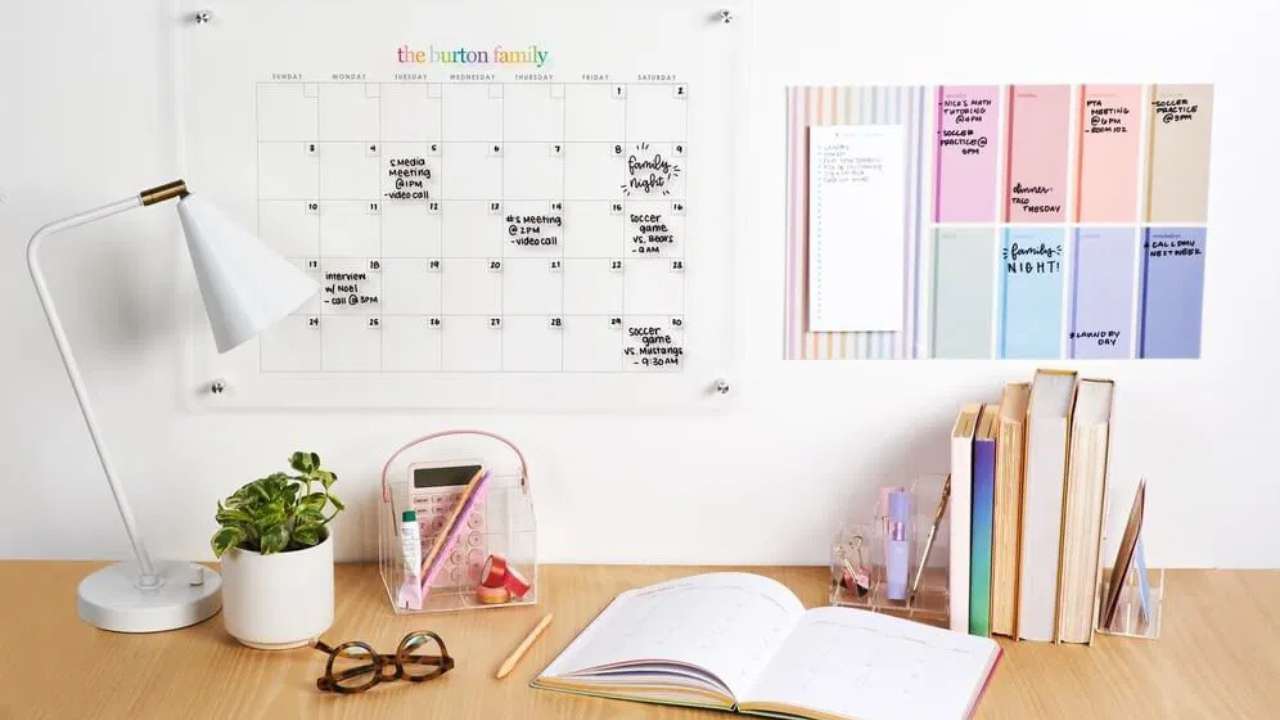
When people think about business systems, the first things that usually come to mind are tools, workflows, and organization.
Project management boards
Automations
Standard operating procedures (SOP)
Checklists and dashboards
All of those things matter. They help businesses run smoothly. They help teams stay aligned. They keep information from getting lost.
But underneath every strong system in a business, there is something deeper holding it together.
Trust. Trust is the invisible structure that makes systems actually work.
Without trust, systems feel rigid, forced, and frustrating to follow. With trust, systems feel supportive. They create ease, clarity, and stability for everyone involved.
Most business owners don’t set out thinking they need to build trust through systems. Yet that is exactly what happens when a business runs well.
The way your business operates is constantly communicating something. It tells your clients, your team, and even yourself whether the environment is steady, organized, and dependable.
Systems are not just about efficiency. They are about reliability.
And reliability builds trust.
What Trust Looks Like Inside a Business
Trust in business is not just about relationships. It is also about predictability.
People trust what feels consistent.
When communication is clear, deadlines are realistic, and responsibilities are defined, everyone knows what to expect. That sense of steadiness allows people to focus on their work rather than worrying about what might fall through the cracks.
Think about the difference between these two experiences.
In one business, tasks are assigned randomly. Instructions change halfway through projects. Important files are scattered across different platforms. Team members send urgent messages because they cannot find information.
In another business, projects have a clear structure. Tasks live in one place. Files are organized. Communication happens within a shared system where everyone can see updates.
The second environment feels calmer. More grounded. More trustworthy.
Nothing magical happened. The difference is simply that the systems support the people doing the work.
Trust is created when people know where things live, how work moves forward, and what is expected of them.
Systems Reduce Uncertainty
One of the biggest hidden costs in a business is uncertainty.
When systems are missing or inconsistent, people spend a lot of mental energy trying to figure things out.
Where is that document?
Who is responsible for this task?
Has this email already been sent?
Is this the most current version of the file?
These small questions add up quickly. They create friction, delays, and unnecessary stress.
Clear systems remove that uncertainty.
When processes are documented, tools are used consistently, and workflows are easy to follow, everyone knows how work moves through the business.
Instead of constantly reacting to problems, the business operates from a place of stability.
That stability is what allows trust to grow.
Clients trust that their projects will be handled well.
Team members trust that their time and effort are respected.
Business owners trust that things are moving forward even when they are not personally managing every step.
Systems quietly hold the structure so people don’t have to carry it all in their heads.
Trust Allows Delegation to Work
Many business owners struggle with delegation, especially in the early stages of building a team.
It’s not because they want to control everything. It’s because they don’t yet trust that the work will happen the way they imagine it.
That hesitation is understandable.
If instructions aren’t documented and processes only exist in someone’s head, it becomes difficult for anyone else to replicate the work.
Delegation without systems creates confusion.
Delegation with systems creates confidence.
When tasks are supported by clear steps, templates, and workflows, new team members can step into the work more easily. They aren’t guessing what to do next.
They are following a path that has already been created.
This doesn’t mean systems remove creativity or flexibility. In fact, they often create more space for both.
When the basic structure of the business is steady, people can focus on problem-solving, creativity, and innovation instead of constantly reinventing the wheel.
Trust grows because everyone knows the foundation is solid.
Systems Build Trust With Clients
Clients may never see the internal systems of a business, but they absolutely feel their impact.
You can usually tell when a business is supported by strong systems.
Communication is timely.
Information is easy to access.
Onboarding feels smooth.
Projects move forward without constant reminders.
From the client’s perspective, everything feels organized and professional.
That experience builds confidence.
Clients trust businesses that feel stable. They trust businesses that follow through. They trust businesses that communicate clearly about what happens next.
These experiences aren’t accidents. They are the result of thoughtful systems working behind the scenes.
Strong systems allow businesses to deliver consistently good experiences without relying on last-minute effort or scrambling to stay on top of everything.
Consistency builds credibility.
Credibility builds trust.
Systems Create Emotional Space
One thing people rarely talk about when discussing systems is how much emotional space they create.
Running a business can feel overwhelming when everything lives in your head.
Ideas, client requests, deadlines, team communication, marketing plans, and financial tasks. It all competes for attention.
Without systems, the business owner becomes the central hub for every piece of information.
That pressure is exhausting.
Systems allow information to live outside your brain. They create a shared environment where tasks, processes, and communication are visible and organized.
Instead of constantly trying to remember everything, you can trust the structure around you.
This shift often creates an immediate sense of relief.
Business owners begin to feel less reactive. Teams feel more confident about where to find information. Projects move forward with less stress.
The work itself may still be complex, but the environment becomes calmer.
That calm is not just about productivity. It is about trust.
Trust that things are being handled.
Trust that nothing important is slipping through the cracks.
Trust that the business can keep moving forward.
Trust Is the Real Outcome of Good Systems
At first glance, systems look like tools for organization and efficiency.
But their deeper impact is much more human.
Systems communicate care.
They show that time is respected. They show that people’s energy matters. They show that the business values clarity and stability.
When systems are designed thoughtfully, they reduce chaos and create an environment where people can do their best work.
That is what makes a business sustainable.
Not hustle.
Not constant urgency.
Not holding everything together through sheer effort.
Sustainability comes from structure.
And structure creates trust.
When trust is present, teams collaborate more easily. Clients feel confident in their investment. Business owners can step back knowing the foundation is strong.
Systems may look practical on the surface, but at their core, they are about relationships.
They create reliability.
They create clarity.
They create trust.
And trust is what allows a business to truly grow.